Before signing a supplier contract, extending credit, or placing a large order, you need to know who you’re actually doing business with. Is the company legitimate? Is it financially stable? Does it have a history of paying bills on time? Could financial pressure make it more vulnerable to supply chain disruption or trade fraud?
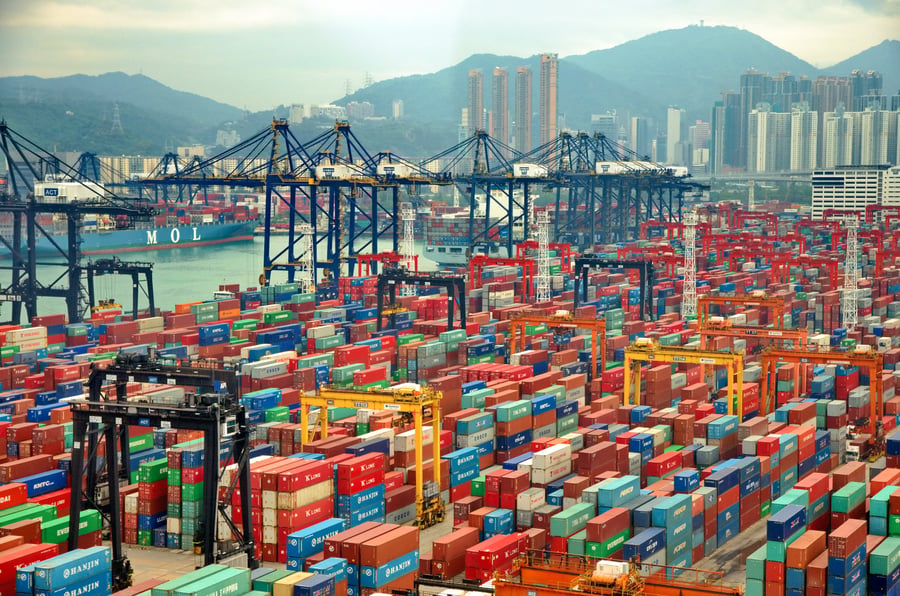
Things get even more difficult when it comes to trading with China. Distance, language barriers, and complex, unique laws and regulations complicate things even further. And that's before you factor in tariffs: our recent survey, Tariff Risks in the Supply Chain, found that 37% of surveyed U.S. businesses planned to reduce the quantity of goods they import from China due to tariffs, with 72% of U.S. businesses putting imports on hold for the same reason.
So how do you find Chinese company information? Look no further.
The summary
- Tariffs and economic uncertainty are making supplier due diligence increasingly important for U.S. companies trading with China.
- Verify a Chinese company’s identity, ownership, financial health and payment behavior before entering a business relationship.
- A business credit report can provide information such as risk scores, credit limits, payment behavior, and legal filings.
- Don’t treat supplier verification as a one-time exercise. Financial circumstances and risk levels can change.
- Creditsafe business reports can help companies assess financial, legal, and compliance risks when evaluating customers and suppliers.
Working with China as a U.S. company
In the manufacturing, retail, and wholesale industries, China is an important sourcing market for U.S. businesses. But performing your due diligence can seem impossible without accurate, reliable business credit data.

In our recent research report, Working Capital Dynamics, we analyzed business information for more than 32 million U.S. businesses, examining payment behaviors, legal filings and credit risk across industries. We found that signs of cash flow pressure aren’t always obvious from basic credit data alone, making a broader view of financial health valuable when businesses make risk decisions.
Financial problems can quickly become operational problems. A supplier struggling with cash flow may have difficulty purchasing materials, paying employees or completing orders on schedule. Our recommendation is always to conduct due diligence when diversifying supply chains and reviewing potential suppliers’ business credit reports to assess whether they have the financial capacity to keep operations running. The goal is almost always to create a long-lasting, profitable partnership: you're going to need the business to stick around long enough for that to happen.
How tariffs are impacting U.S.-China business relationships
In our tariff study of more than 200 U.S. finance, procurement, and supply chain professionals, 44% of respondents identified increased materials and equipment costs as their biggest concern about tariffs. Another 17% said they were concerned about their supply chains, which include delays, higher freight rates, and lower shipment volumes.
Tariffs may also change where companies source their goods. More than half (53%) of surveyed businesses said tariffs had led them to look for alternative suppliers in other countries. At the same time, 51% reported that tariffs had resulted in delayed payments to suppliers, with 24% paying significantly later than usual.
Higher duties can create incentives for trade fraud. Nearly three-quarters (73%) of respondents said they were worried to some degree that higher import duties would increase risks such as forged documents, misrepresented goods or duplicate payments. In response, 47% planned to become more diligent about verifying the identity and legitimacy of suppliers.
When you're dealing with increased concerns, you have to be even more sure that the information you base decisions on is reliable.
How to find a Chinese business credit report
Start by identifying the company as precisely as possible. A trading name or English-language company name may not give you enough information to confirm that you’re researching the correct legal entity.

But once you've identified the business, you need to verify key details. And to make smart choices based on those details, you need to trust your international business credit report provider.
Creditsafe's international business credit reports help you verify details like company ownership, headquarters and branch locations, company structure, and key stakeholders. We recommend checking this information before beginning a relationship with a supplier and then going further by reviewing shipping, customs, and contractual documentation for inconsistencies.
It's great to confirm that a business exists, but just because the business is real doesn't mean you should work with them. International business credit reports help you find Chinese company information that tells you whether you can stomach the risk the business represents.
Chinese company information: what to look for
When reviewing a Chinese company, pay particular attention to information that can help answer two questions: Is this business legitimate, and is it financially capable of fulfilling its obligations?
Creditsafe’s risk score uses a scale from 1 to 100 to predict the likelihood of serious payment delinquency or bankruptcy within the next 12 months. Higher scores represent a more positive financial outlook.
Payment behavior deserves close attention too. Days Beyond Terms (DBT) measures how many days after agreed payment terms a company typically pays its invoices. For example, a DBT of 15 means invoices are typically paid 15 days beyond terms.
Finally, look at legal filings and other warning signs. Things like lawsuits, judgements, tax liens, UCC filings, bankruptcies, and adverse media all give you better context in which to evaluate a potential customer or supplier.
Our biggest advice? Don’t assume that a supplier that looked healthy three years ago still presents the same risk today. We always recommend continually monitoring financial health: declining sales, lost customers, mounting debt, and changes in payment behavior can alter a company’s risk profile over time. If you stay up to date and are alerted when something changes, you'll never be caught off guard.
How Creditsafe helps you find Chinese company information
Finding Chinese company information is ultimately about turning uncertainty into a measurable business risk.
Creditsafe provides business reports using data from more than 9,000 sources across 200 countries and territories. More than 115,000 customers globally use Creditsafe to support business decisions and manage financial, legal and compliance risks.

For companies sourcing from China, that supports several stages of supplier management: verifying potential partners, assessing financial risk before signing contracts, setting appropriate credit terms, and monitoring existing relationships for changes. We know it's not a case of checking a business once and moving on: for real visibility into the Chinese market, you need to maintain a clear picture of your Chinese customers and suppliers.
Geopolitical instability, tariffs, regulations, interest rates, and economic downturns can all affect business performance. Looking beyond traditional credit scores and limits can uncover risks and opportunities that might otherwise be missed.
Expanding internationally?
Get in-depth credit data for any business, anywhere.
About the Author
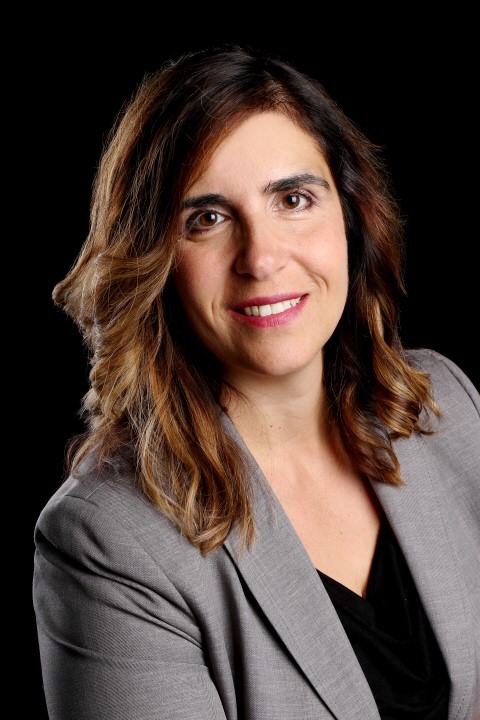
Lina Chindamo, Director, Enterprise Accounts, Creditsafe
Lina Chindamo is currently Director, Enterprise Accounts at Creditsafe Canada, and a Certified Credit Professional (CCP) with over 25 years of experience in credit risk management. She has held senior leadership roles with leading companies in multiple industries in the Canadian market such as Sony Electronics, Maple Leaf Foods, and Mondelez Canada. Her expertise as a credit professional along with her current role as Director, Enterprise Accounts who works closely with c-suite partners and credit teams across all industries makes her a well-rounded credit professional who is well respected in our industry.
Chapter 1